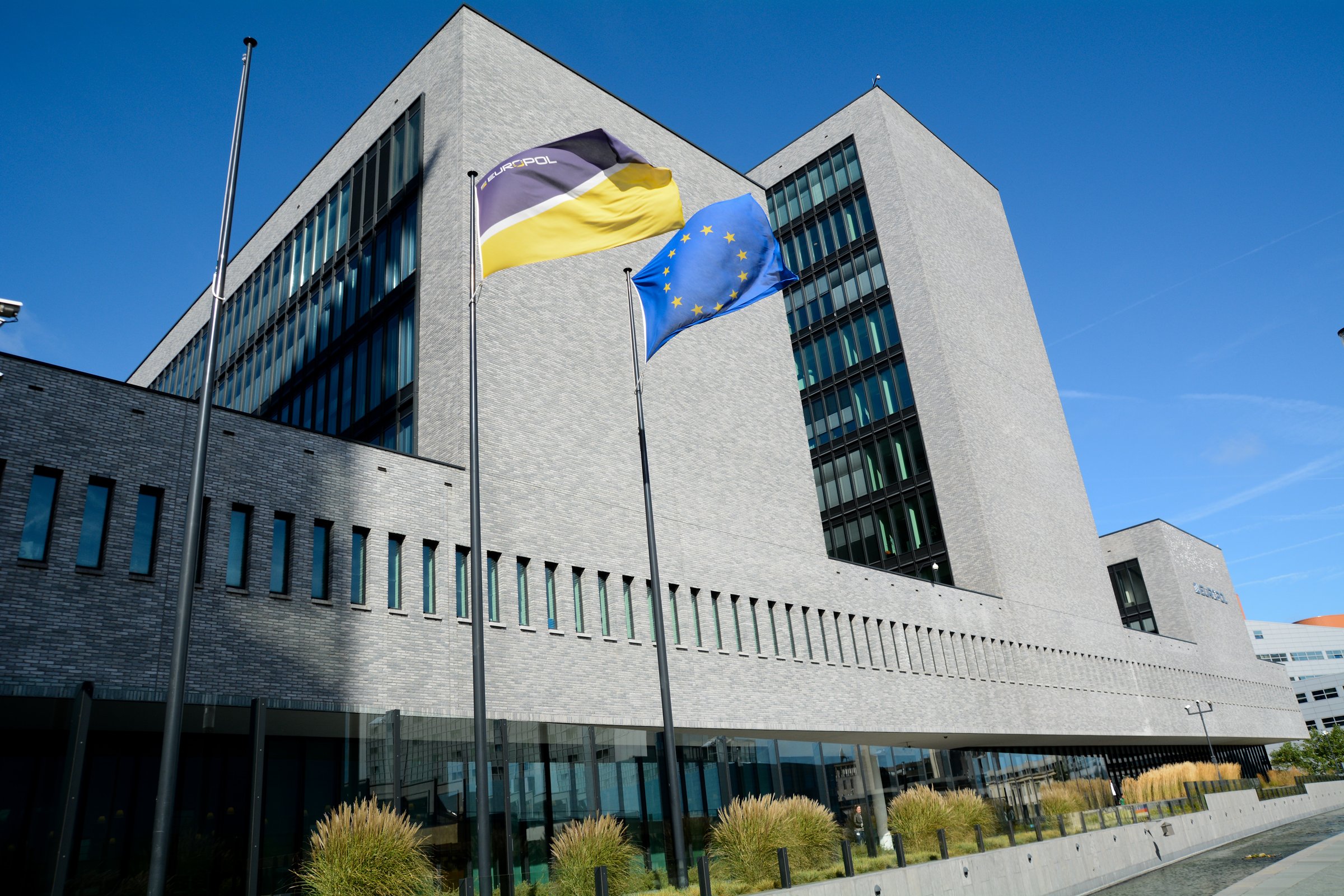
Keeping double books, operating in legally-murky areas to escape scrutiny, influencing governments to change laws so their illegal activities are legalised – these aren’t just plot points from The Sopranos or another mob thriller but seemingly the playbook of EU’s police agency.
Europol might be tasked with dealing with organised crime but that hasn’t stopped it from following similar tactics as those they’re claiming to fight against.
Europol’s shadowy nature is no secret to those who have been paying attention – privacy experts have been calling them out for everything from their links to private companies, lacklustre data protection practices, to their perpetual efforts to undermine end-to-end encryption, a critical feature that secures our private messages from being mass surveillance fodder.
A new investigation in May 2025 yet again laid bare the enormity of Europol’s rogue tactics: the agency maintained a ‘shadow IT environment’ parallel to their official databases.
At one point, this secret second database became the main way for Europol to do large-scale crime analysis and hosted over 95 per cent of data they had collected. It was 420 times larger than their official databases.
This article was aggregated automatically by CyberWire Daily's newsfeed engine. Original reporting: euobserver.com.